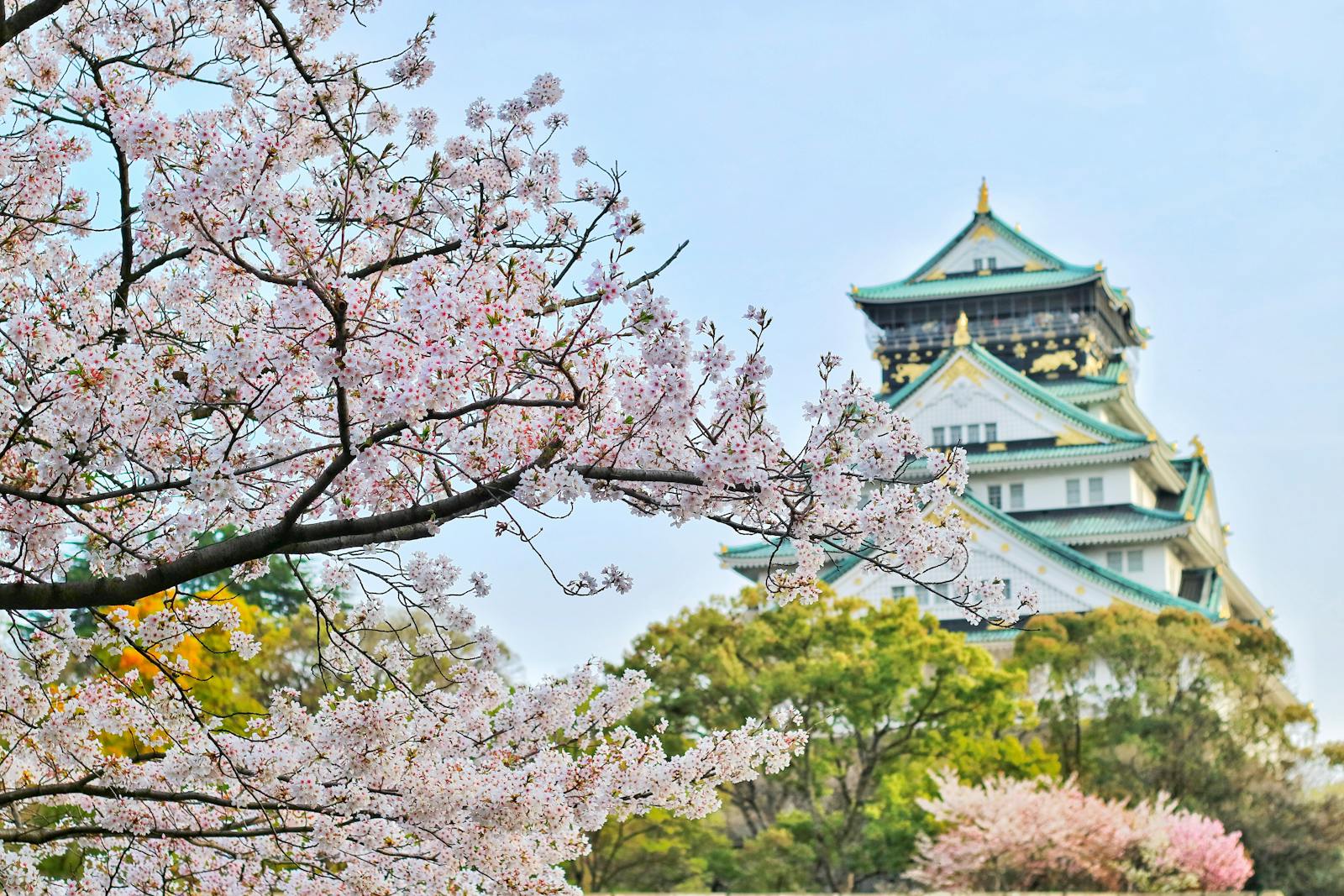
Japan has 25 UNESCO World Heritage sites, and most itineraries only ever touch two or three of them — usually Kyoto's historic monuments and Nara's temples, since they sit on the standard Golden Route. For agents wanting to add genuine substance to a repeat client's itinerary, or a first-timer's trip with a stronger cultural thread, the wider list is worth knowing well.
On the standard circuit
- Historic Monuments of Ancient Kyoto — 17 individual sites across Kyoto, Uji and Otsu, including Kinkaku-ji and Kiyomizu-dera.
- Historic Monuments of Ancient Nara — Todai-ji, Kasuga Taisha and several other sites, easily combined with a Kyoto or Osaka-based day trip.
- Himeji-jo — Japan's best-preserved original castle, roughly an hour from Osaka by shinkansen.
- Fujisan — Mount Fuji, listed as a cultural (not natural) site, recognising its role in Japanese art and religious tradition.
Worth actively recommending to repeat visitors
- Shrines and Temples of Nikko — the ornately decorated Toshogu complex, a strong Tokyo day-trip add-on.
- Historic Villages of Shirakawa-go and Gokayama — thatched-roof farmhouse villages in the mountains, reached via Takayama.
- Itsukushima Shrine — the floating torii gate on Miyajima, paired with Hiroshima.
- Sacred Sites and Pilgrimage Routes in the Kii Mountain Range — includes Koyasan's temple lodging and the Kumano Kodo pilgrimage trails.
- Hiroshima Peace Memorial (Genbaku Dome) — the preserved atomic bomb dome, one of the most memorable single stops on many client itineraries.
Off the standard circuit entirely
- Shiretoko (Hokkaido) — a remote natural site known for its wildlife and coastal scenery, for clients with genuine appetite for wilderness travel.
- Ogasawara Islands — a remote island chain south of Tokyo, reachable only by a roughly 24-hour ferry — a genuine expedition-style add-on, not a casual one.
- Iwami Ginzan Silver Mine (Shimane) — a former silver mining site with well-preserved surrounding townscape.
- Hiraizumi (Iwate/Tohoku) — Buddhist temples and gardens reflecting an attempt to recreate paradise on earth, a strong Tohoku-itinerary anchor.
- Amami-Oshima, Tokunoshima, Northern Okinawa and Iriomote — a natural World Heritage listing covering subtropical biodiversity across the Ryukyu island chain.
How to use this list when quoting
The value here isn't reciting the full list to a client — it's knowing which sites genuinely fit the itinerary's shape and the client's interests, then building routing around them rather than treating them as a checkbox. A UNESCO reference on a proposal reads as more credible when it's two or three well-chosen, well-explained sites rather than a long undifferentiated list.
Building a Heritage-Focused Itinerary?
Tell us which sites matter to your client and we'll route the trip around them properly.
Get a Quote