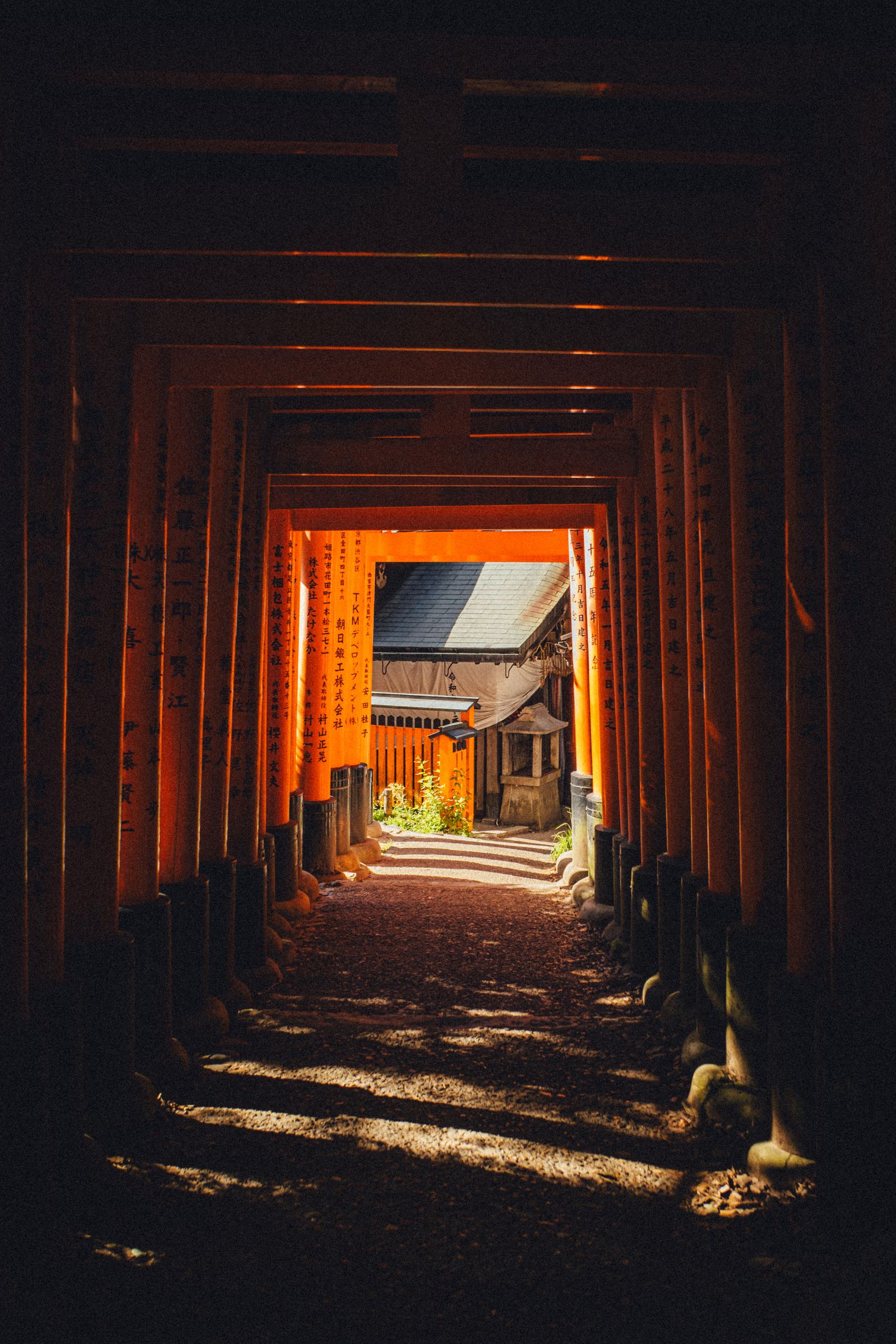
Japan has become one of the fastest-growing long-haul destinations for Indian travellers over the past several years, driven by improved flight connectivity, a growing appetite for experiential travel, and Japan's easing of visa requirements for Indian nationals. Agents selling Japan to this market well tend to build a few specific considerations into the itinerary from the start, rather than adapting a generic Golden Route package after the fact.
Vegetarian and dietary handling — the single biggest factor
This is the detail that most affects client satisfaction and is most often handled poorly by generic itineraries. A meaningful proportion of Indian travellers are vegetarian, and Japanese cuisine — dashi (fish stock) as a near-universal base, and limited historical demand for vegetarian options outside dedicated shojin ryori (Buddhist temple cuisine) restaurants — makes this genuinely harder to navigate than in most other long-haul destinations.
Handled well: pre-briefing hotels and restaurants on dietary requirements before arrival, building in shojin ryori temple meals as a genuine cultural highlight rather than a workaround, and knowing which cities and restaurant districts have a reasonable concentration of vegetarian-friendly options (Kyoto, given its temple culture, is notably easier than smaller cities). Handled poorly: a client discovering on day three that "vegetarian" was interpreted loosely.
Group and family travel patterns
Indian leisure travel to Japan skews heavily toward multi-generational family groups and larger friend groups rather than solo or couple FIT travel — which changes the itinerary shape. Group-friendly activities, larger vehicle capacity, and hotel room configurations that work for families (connecting rooms, or hotels with a genuine family room category rather than just twins) matter more here than for many other source markets.
Shopping and Bollywood-adjacent interest
Shopping districts — Ginza, Shinjuku, Shibuya, Osaka's Shinsaibashi — consistently rank as a priority for Indian leisure clients in a way that's worth building real itinerary time around, not treating as a filler afternoon. There's also a real and growing interest in filming locations and pop-culture touchpoints (anime, Japanese fashion) among younger travellers specifically, worth asking about at the brief stage.
Payment, currency and communication preferences
WhatsApp is the dominant communication channel for the Indian travel trade — agents booking Japan expect a WhatsApp-first relationship with their DMC, not an email-only one. On currency, INR-denominated quoting isn't standard for Japan DMCs (rates are typically JPY or USD net), so agents should build their own INR conversion and margin into client-facing pricing rather than expecting the DMC quote to already reflect it.
Visa and documentation
Japan's visa requirements and processing for Indian nationals have eased in recent years, but requirements can still shift — agents should always confirm current visa status directly rather than relying on a prior booking's experience, and build sufficient lead time into the itinerary for visa processing before committing to non-refundable elements. Once travel is confirmed, every client should also complete Visit Japan Web registration before departure — it meaningfully speeds up immigration and customs on arrival, which matters most for larger family groups.
How we handle Indian market bookings
We brief hotels and restaurants on dietary requirements as standard practice for this market, hold family-configuration room inventory across our core hotel partners, and communicate via WhatsApp by default rather than requiring agents to switch channels. See our trade terms for India or the India market snapshot for the full picture.
Quoting for an Indian Client Group?
Tell us the group size, dietary requirements and interests — we'll build the itinerary around what actually matters to this market.
Get a Quote for Your Client