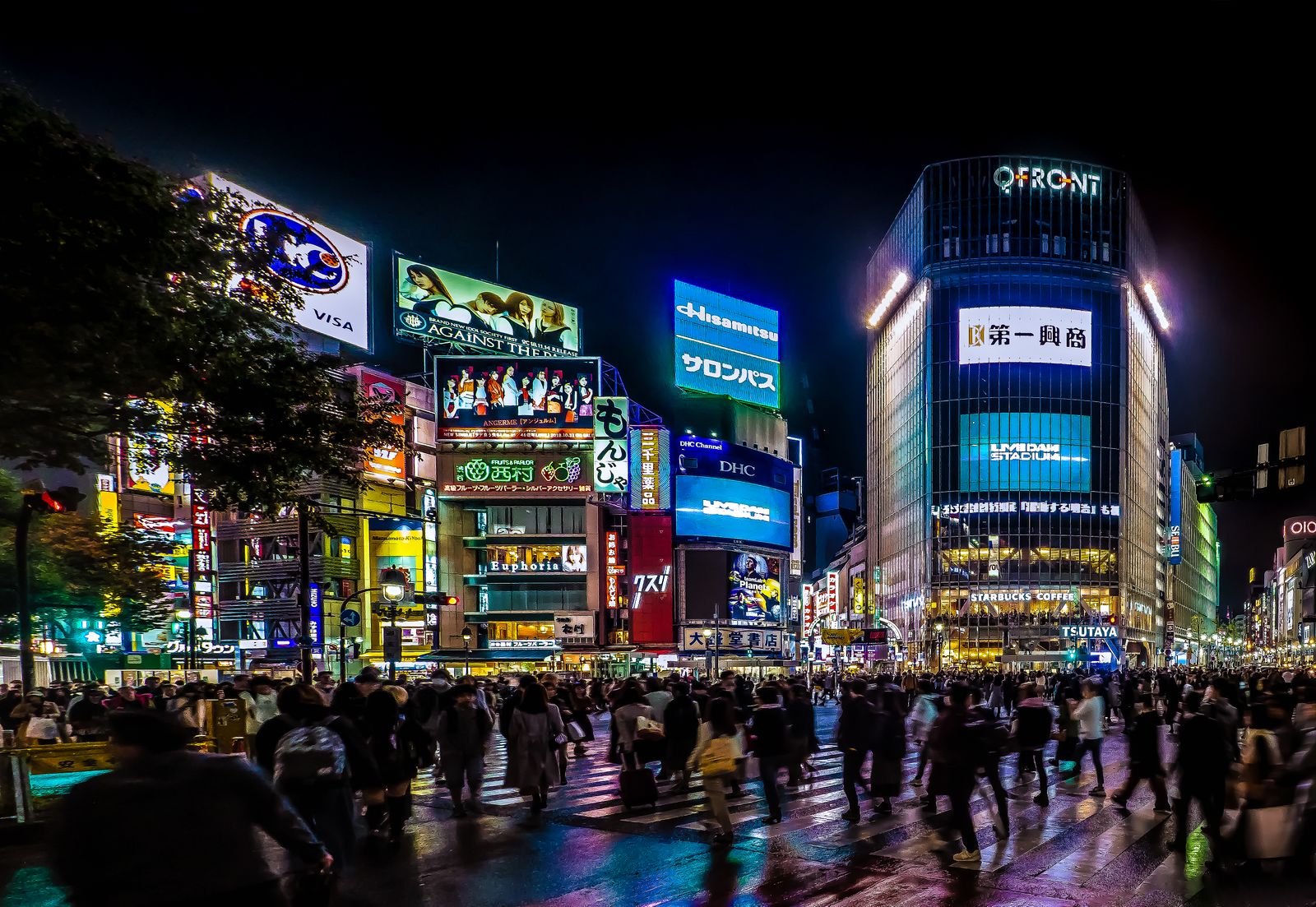
Japan's halal travel infrastructure has expanded substantially over the past decade, driven largely by growth in visitors from Southeast Asia and the Middle East, but provision remains genuinely uneven by city and by category — strong in some areas, still limited in others. Agents quoting for Muslim clients need to check specifics rather than assume a generic level of provision across the country.
Halal and Muslim-friendly dining
Restaurants in Japan generally fall into a spectrum rather than a binary: certified halal restaurants (relatively few, concentrated in Tokyo and Osaka), Muslim-friendly restaurants that avoid pork and alcohol but aren't formally certified, and vegetarian/seafood options that work as a practical fallback given Japan's strong seafood and plant-based dish traditions. This distinction matters — a client expecting formal halal certification everywhere will be disappointed, but a well-briefed itinerary using Muslim-friendly and seafood-forward options can work well throughout most of a trip.
Tokyo, Osaka and Kyoto have the strongest concentration of certified and Muslim-friendly dining options; smaller cities and rural areas have considerably less, which needs to be planned around rather than discovered mid-trip.
Prayer facilities
Dedicated mosques exist in Tokyo (including the well-known Tokyo Camii), Osaka, Kobe and several other major cities, alongside a growing number of prayer rooms in airports (Narita and Haneda both have dedicated facilities), some shopping centres and select hotels. Outside these locations, prayer space is generally arranged informally — a quiet corner of a hotel room, or the hotel's assistance in identifying a suitable space — which is worth setting client expectations on ahead of travel.
Accommodation considerations
Qibla direction indicators and prayer mats are increasingly common at hotels with international guest volume, but not universal — this is worth confirming per property rather than assumed. Some hotels can also arrange halal-friendly in-room dining or breakfast options on request, particularly in Tokyo and Osaka.
Building the itinerary around this
The itineraries that work best brief every restaurant stop in advance rather than leaving dining to chance on the ground, build in known prayer-friendly stops as part of the day's routing (rather than searching for one reactively), and set honest expectations for smaller cities or rural stretches of the trip where options are more limited. This is meaningfully different work from a standard itinerary and worth pricing the additional planning time into the quote.
How we handle this market
We maintain a working list of halal-certified and Muslim-friendly restaurants across the main circuit, brief hotels in advance on prayer space and dietary requirements, and build realistic routing that accounts for where provision is strongest rather than assuming uniform coverage nationwide.
Quoting for a Muslim Client Group?
Tell us the group's requirements and we'll build an itinerary that's realistic about where the infrastructure actually is.
Get a Quote